Solar energy has emerged as a sustainable and renewable source of power, revolutionizing the way we generate electricity. As the demand for clean energy increases, solar energy systems have gained significant popularity. When it comes to solar energy systems, there are two main types: on-grid and off-grid. Each system has its unique characteristics, benefits, and considerations. In this article, we will delve into the world of on-grid and off-grid solar energy systems, exploring their differences, applications, and implications.
On-Grid Solar Energy Systems:
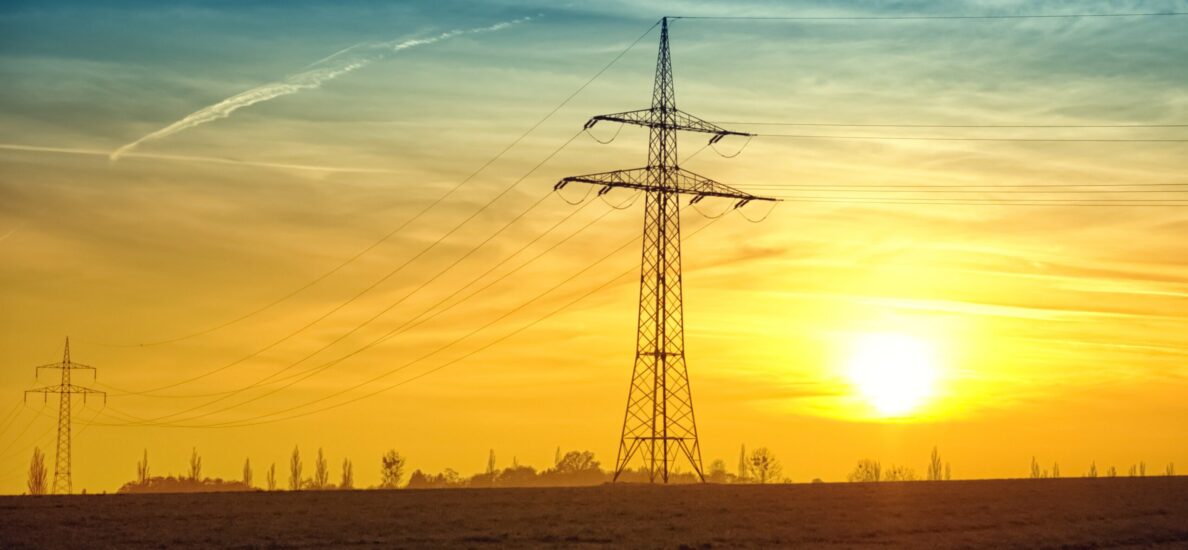
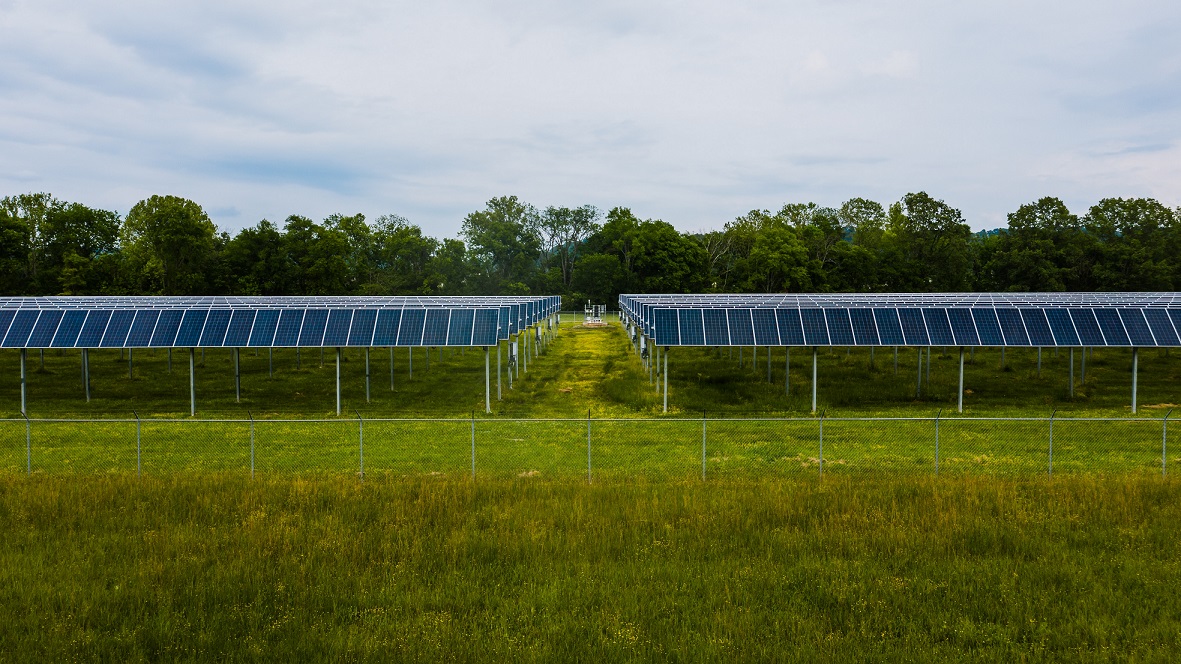
On-grid solar energy systems, also known as grid-tied systems, are connected to the traditional electrical grid. These systems consist of solar panels, an inverter, and a metering system. The solar panels absorb sunlight and convert it into direct current (DC) electricity. The inverter then converts the DC electricity into alternating current (AC), which is the type of electricity used in homes and businesses.
One of the key features of on-grid solar energy systems is their ability to feed excess electricity back into the grid. When the solar panels produce more electricity than the building consumes, the surplus power is sent back to the grid. This process is facilitated by a bi-directional meter, which measures both the electricity consumed from the grid and the electricity supplied to the grid. In some cases, the excess electricity supplied can result in credits or financial compensation from the utility company, depending on local regulations and net metering policies.
The benefits of on-grid solar energy systems are numerous. Firstly, they provide a reliable and continuous power supply. If the solar panels don’t generate enough electricity to meet the building’s needs, the grid seamlessly supplements the shortfall. This ensures a consistent power supply regardless of weather conditions or fluctuations in energy demand.
Secondly, on-grid solar energy systems offer the advantage of cost savings. By generating electricity from solar panels, users can significantly reduce their monthly utility bills. In some cases, with favorable net metering policies, users can even eliminate their electricity bills altogether. Additionally, on-grid systems require minimal maintenance as they rely on the grid for backup power, removing the need for battery storage.
However, on-grid solar energy systems have their limitations. They are dependent on a functioning electrical grid, meaning that in the event of a power outage, the system will automatically shut down for safety reasons. This is to prevent the solar energy from feeding back into the grid and posing a risk to utility workers attempting to repair the grid.
Off-Grid Solar Energy Systems:
Unlike on-grid systems, off-grid solar energy systems operate independently of the electrical grid. They are designed to meet the energy needs of remote areas, isolated buildings, or individuals seeking energy self-sufficiency. Off-grid systems consist of solar panels, a charge controller, batteries, and an inverter.
The solar panels in an off-grid system capture sunlight and convert it into DC electricity, which is then stored in batteries. The charge controller regulates the charging and discharging of the batteries, ensuring their longevity and optimal performance. The inverter converts the stored DC electricity into AC electricity for use in the building.
Off-grid solar energy systems provide energy autonomy, allowing users to generate and consume their electricity without relying on the grid. They are particularly suitable for areas where connecting to the grid is prohibitively expensive or simply not feasible. Remote cabins, rural communities, and camping sites are examples of applications that greatly benefit from off-grid solar systems.
Moreover, off-grid systems offer resilience and independence during power outages or natural disasters. They can provide a reliable power source when the grid is down, ensuring essential appliances and equipment remain functional. Off-grid systems also contribute to reducing greenhouse gas emissions and promoting environmental sustainability.
However, off-grid solar energy systems also have some considerations. They require careful sizing and design to ensure that they can meet the energy demands of the building or location. Proper calculations need to be made to determine the number of solar panels, battery capacity, and inverter size required to support the electricity needs.
One of the main challenges of off-grid systems is the storage of excess energy. Unlike on-grid systems that can feed surplus electricity back to the grid, off-grid systems rely on batteries to store the excess energy for later use. This means that the battery capacity needs to be carefully determined to ensure that it can store enough energy to cover periods of low sunlight or high energy demand.
Maintenance and monitoring of off-grid systems are also essential. The batteries require regular inspection and maintenance to ensure their performance and longevity. Additionally, monitoring the energy usage and battery levels is crucial to avoid depleting the stored energy and ensuring that the system operates optimally.
It’s worth noting that off-grid solar energy systems can be more expensive upfront compared to on-grid systems due to the need for batteries and additional equipment. However, over time, they can provide significant cost savings, especially in remote areas where the cost of extending the grid infrastructure would be exorbitant.
Hybrid Solar Energy Systems:
In some cases, a hybrid solar energy system, which combines elements of both on-grid and off-grid systems, can be a viable option. Hybrid systems are connected to the grid but also incorporate battery storage. This setup allows users to benefit from the advantages of both systems.
During times when the solar panels generate excess energy, it can be stored in the batteries for later use, even if the grid is available. This offers a degree of energy independence and resilience while still being able to take advantage of the grid as a backup power source when needed.
Furthermore, hybrid systems can take advantage of time-of-use billing, where electricity rates vary throughout the day. By storing excess solar energy in the batteries during low-demand and low-rate periods, users can later use that stored energy during high-demand and high-rate periods, resulting in cost savings.
On-grid and off-grid solar energy systems each have their own distinct characteristics and applications. On-grid systems provide a reliable power supply, cost savings through net metering, and require minimal maintenance. Off-grid systems offer energy autonomy, resilience during power outages, and promote sustainability. Hybrid systems combine the best of both worlds, allowing users to benefit from grid connectivity while having the option of stored energy for backup or cost optimization.
The choice between on-grid and off-grid solar energy systems depends on various factors such as location, energy requirements, budget, and accessibility to the electrical grid. Consulting with solar energy professionals and conducting a thorough assessment of needs and goals can help determine the most suitable system for individual circumstances.
As solar energy continues to advance and become increasingly affordable, both on-grid and off-grid systems contribute to a greener and more sustainable future, reducing dependence on fossil fuels and mitigating the impacts of climate change.
content generated by chatGPT