Renewable energy is an energy source that is replenished naturally and can be continuously harnessed without the depletion of resources. It is an alternative to traditional energy sources like coal, oil, and gas, which are finite and have a significant impact on the environment. Renewable energy sources include solar, wind, hydro, geothermal, and biomass.
The need for renewable energy has become more pressing as the world grapples with climate change and the need to reduce greenhouse gas emissions. Burning fossil fuels releases carbon dioxide and other pollutants into the atmosphere, contributing to global warming and air pollution. Renewable energy sources, on the other hand, produce little to no emissions and have a much lower environmental impact.
Solar energy is the most abundant renewable energy source available, and it is harnessed by capturing the sun’s energy through solar panels. Solar panels work by converting sunlight into electricity using photovoltaic cells. Solar energy is a versatile energy source that can be used to power homes, businesses, and even entire communities. It is also a relatively low-cost energy source, and the technology is improving rapidly.
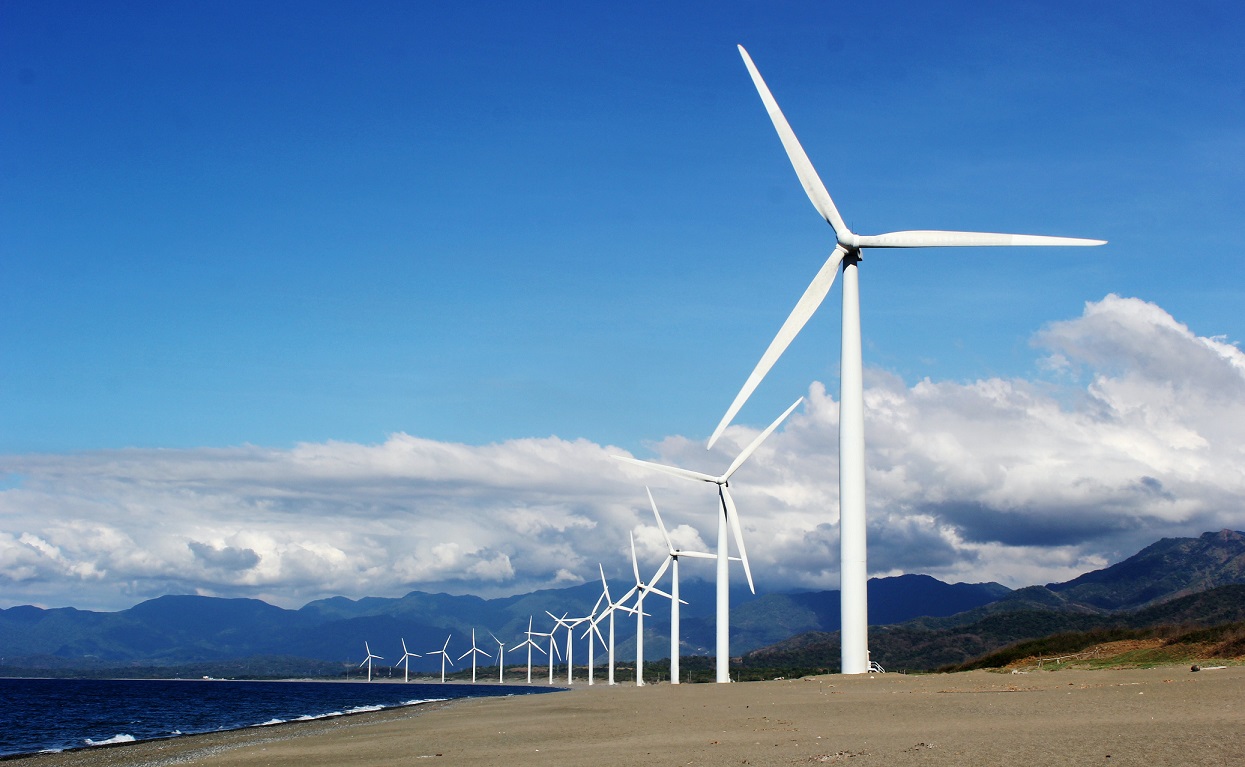
Wind energy is another popular renewable energy source, which works by using wind turbines to generate electricity. Wind turbines are typically installed on hillsides or offshore, where there is a consistent and strong wind. The turbines capture the energy from the wind and convert it into electricity. Wind energy is a clean and efficient energy source that can help to reduce greenhouse gas emissions and lower electricity costs.
Hydro energy is a renewable energy source that harnesses the power of flowing water to generate electricity. Hydroelectric power plants are typically built near rivers or other bodies of water, and they use turbines to convert the energy from the water into electricity. Hydro energy is a reliable and efficient energy source that can provide a constant supply of electricity.
Geothermal energy is a renewable energy source that harnesses the heat from the earth’s core to generate electricity. Geothermal power plants are typically located in areas with high levels of geothermal activity, such as geysers or hot springs. The heat from the earth’s core is used to generate steam, which is then used to power turbines and generate electricity. Geothermal energy is a reliable and efficient energy source that can provide a constant supply of electricity.
Biomass energy is a renewable energy source that uses organic matter, such as wood, crops, or animal waste, to generate electricity. Biomass power plants burn organic matter to generate steam, which is used to power turbines and generate electricity. Biomass energy is a versatile energy source that can be used to generate electricity, heat homes and businesses, and even power vehicles.
Renewable energy has many advantages over traditional energy sources. It is a clean and efficient energy source that can help to reduce greenhouse gas emissions and lower electricity costs. It is also a more sustainable energy source, as it can be continuously harnessed without depleting finite resources.
Renewable energy has also become increasingly affordable in recent years. The cost of solar panels has dropped significantly, making solar energy more accessible to homeowners and businesses. Wind energy has also become more cost-effective, with new technology making wind turbines more efficient and easier to maintain.
Despite the many advantages of renewable energy, there are still some challenges that need to be overcome. One of the biggest challenges is the intermittency of some renewable energy sources, such as solar and wind. The amount of energy produced by these sources can vary depending on weather conditions, making it difficult to rely on them as a constant energy source. Energy storage technology, such as batteries, is being developed to help address this challenge.
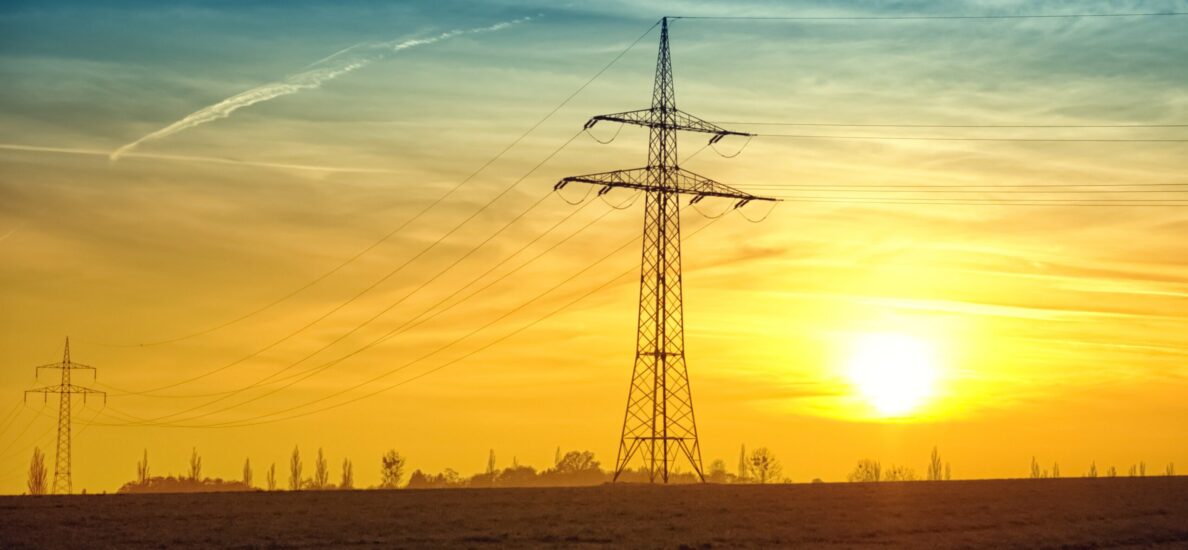
Another challenge is the need for infrastructure to support renewable energy. Solar panels and wind turbines need to be installed in the right locations, and transmission lines need to be built to transport the electricity to where it is needed.
There are some concerns about the environmental impact of renewable energy sources. For example, large-scale hydroelectric power plants can have a significant impact on the environment, as they can alter river flow and affect wildlife habitats. Biomass energy can also have an impact on the environment if not managed sustainably, as the harvesting of organic matter can have a negative impact on ecosystems.
Despite these challenges, the benefits of renewable energy are clear. It is a clean and sustainable energy source that can help to reduce greenhouse gas emissions and mitigate the effects of climate change. It also has the potential to create jobs and boost local economies, as renewable energy projects require skilled workers and can provide a reliable source of income for local communities.
Governments around the world have recognized the importance of renewable energy and have implemented policies to promote its use. Many countries have set renewable energy targets, with the aim of increasing the share of renewable energy in their energy mix. For example, the European Union has set a target of producing 32% of its energy from renewable sources by 2030.
In addition, many businesses and homeowners are investing in renewable energy to reduce their carbon footprint and lower their energy costs. Installing solar panels or wind turbines can provide a reliable source of electricity and help to reduce dependence on traditional energy sources.
In conclusion, renewable energy is a clean, sustainable, and cost-effective energy source that has the potential to transform the energy landscape. Solar, wind, hydro, geothermal, and biomass are all renewable energy sources that can be harnessed to power homes, businesses, and communities. Despite some challenges, the benefits of renewable energy are clear, and governments, businesses, and individuals around the world are investing in renewable energy to reduce their carbon footprint and create a more sustainable future.