
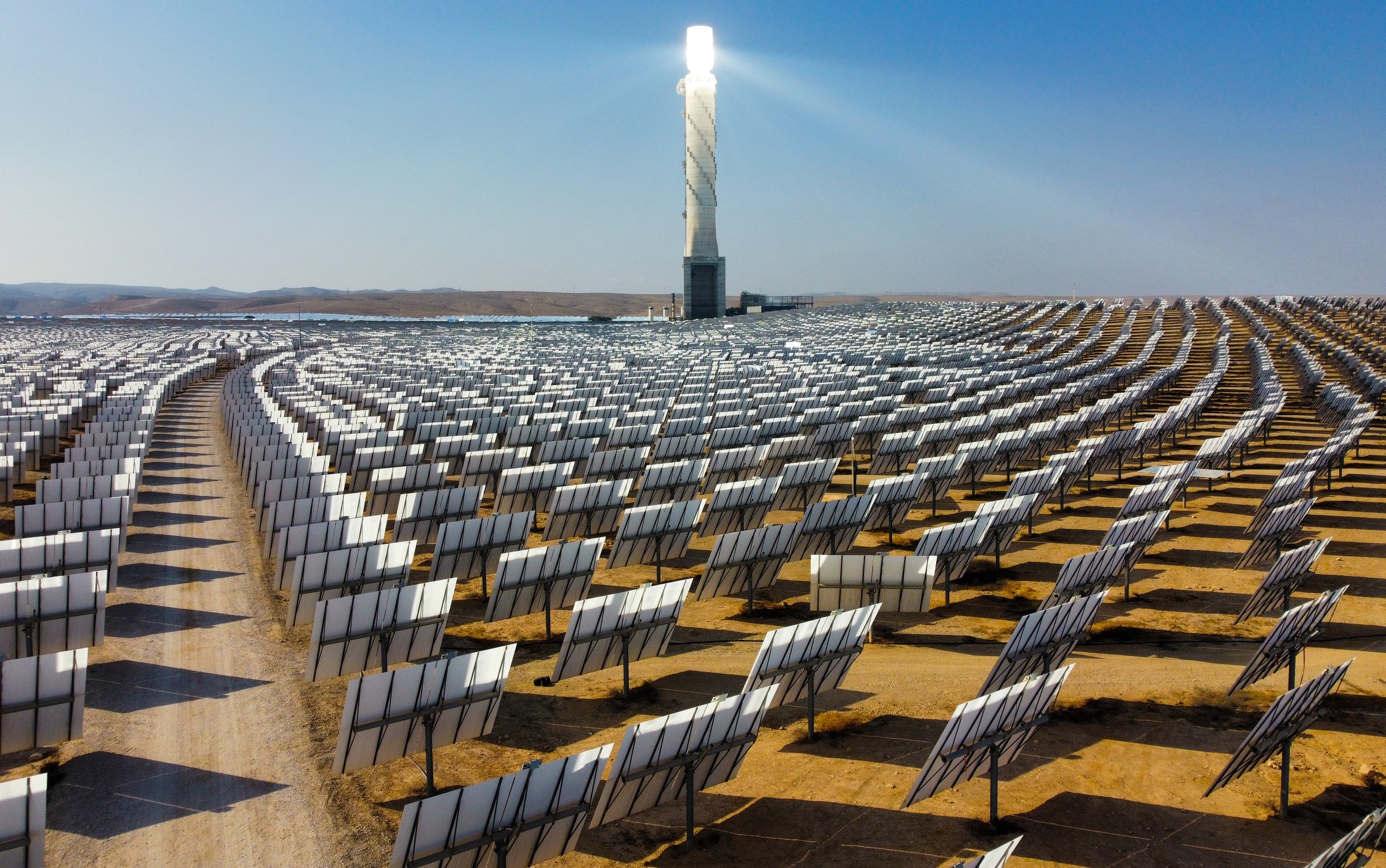
Solar panels are becoming an increasingly popular way to generate electricity, both for households and businesses. As the name suggests, they rely on the sun’s energy to create electricity, but how exactly do they work? In this article, we’ll take a closer look at the technology behind solar panels and how they generate power.
The basics of solar panels
Solar panels, also known as photovoltaic (PV) cells, are made up of layers of silicon cells, which convert sunlight into electricity. Each individual cell is made up of two layers of silicon, one of which is positively charged, and the other is negatively charged. When sunlight hits the cell, it knocks electrons free from the negatively charged layer, creating an electric current that can be harnessed for power.
This is a simplified explanation of how solar panels work, but the reality is a little more complicated. To fully understand how solar panels work, it’s important to take a closer look at the different types of silicon cells, how they’re made, and how they work together.
Types of solar panels
There are two main types of solar panels: monocrystalline and polycrystalline. Monocrystalline cells are made from a single crystal of silicon, whereas polycrystalline cells are made from multiple crystals of silicon. Monocrystalline cells are generally more efficient than polycrystalline cells, meaning they can generate more electricity from the same amount of sunlight.
Manufacturing solar panels
The manufacturing process for solar panels involves several steps. First, the silicon cells are created by melting silicon and then allowing it to cool and solidify into a block. The block is then sliced into thin wafers, which are used to create the individual cells. The cells are then assembled into a panel and covered with a protective layer of glass or plastic.
Wiring the solar panels
Once the solar panel is assembled, it needs to be wired up to an inverter. The inverter is a device that converts the DC (direct current) electricity generated by the solar panel into AC (alternating current) electricity, which can be used to power homes and businesses. The inverter also regulates the flow of electricity, ensuring that the system doesn’t overload and cause damage.
Using solar power
Once the solar panels are wired up and connected to the inverter, they’re ready to start generating electricity. When the sun shines on the panels, they generate DC electricity, which is converted into AC electricity by the inverter. This electricity can then be used to power homes and businesses, and any excess electricity can be sold back to the grid.
Benefits of solar power
There are several benefits to using solar power. First and foremost, it’s a renewable source of energy, meaning it doesn’t produce harmful emissions and won’t run out like fossil fuels. Solar power also helps to reduce reliance on the grid, which can be particularly important during times of high demand or power outages. Finally, solar power can also help to reduce energy costs, particularly in areas with high electricity prices.
Challenges of solar power
While there are many benefits to using solar power, there are also some challenges. One of the biggest challenges is the cost of installation. While the cost of solar panels has come down significantly in recent years, it can still be expensive to install a solar power system. Additionally, solar power is dependent on sunlight, meaning it may not be a viable option in areas with limited sunlight or high levels of cloud cover.
As solar panel technology continues to evolve, there are several trends that are shaping the industry. One of the most significant trends is the move towards more efficient solar panels. In recent years, there has been a focus on improving the efficiency of solar panels, meaning they can generate more electricity from the same amount of sunlight. This has been achieved through the use of new materials, such as perovskite, which has the potential to significantly improve the efficiency of solar panels.
Another trend is the move towards integrated solar solutions. This involves integrating solar panels into other products, such as roofs, windows, and even clothing. This not only makes solar power more accessible but also more aesthetically pleasing, as solar panels can blend in with the surrounding environment.
Finally, there is a growing interest in energy storage solutions, such as batteries, which can store excess solar power generated during the day for use at night or during periods of low sunlight. This can help to address one of the main challenges of solar power, which is its reliance on sunlight.
In conclusion, solar panels are an important and rapidly evolving technology that has the potential to transform the way we generate and use electricity. While there are still some challenges to overcome, the benefits of solar power are clear, and with continued innovation and investment, it’s likely that solar power will become an even more important part of our energy mix in the future.