As the world increasingly shifts towards renewable energy sources, solar power has emerged as a prominent contender in the quest for sustainability. Solar energy systems harness sunlight and convert it into clean and green electricity. However, to ensure optimal performance and efficiency, it is essential to track and analyze the performance of solar energy systems continually. Monitoring and analyzing solar energy performance provide valuable insights into energy generation, system health, and potential improvements. In this article, we will explore the key metrics used to track solar energy performance, the importance of performance analysis, and the tools and techniques used for effective monitoring.
- The Need for Performance Tracking:
Solar energy systems are subject to various factors that can affect their performance, including weather conditions, shading, panel degradation, and system malfunctions. Performance tracking allows solar system owners, operators, and installers to assess the system’s health, identify underperforming components, and optimize energy generation. By continuously monitoring solar energy performance, stakeholders can ensure the system operates at its peak efficiency, delivering the maximum return on investment.
- Key Performance Metrics:
To evaluate the performance of solar energy systems, specific performance metrics are used. These metrics provide quantitative measurements of various aspects of the system’s operation. Some of the essential performance metrics include:
a. Energy Yield: Energy yield is a fundamental metric that quantifies the total energy produced by the solar system over a specific period, typically measured in kilowatt-hours (kWh) or megawatt-hours (MWh). It represents the actual energy generated by the system and is a critical indicator of its overall efficiency.
b. Performance Ratio (PR): The performance ratio is the ratio of the actual energy yield to the theoretical energy yield under ideal conditions. It provides a measure of how well the system performs compared to its maximum potential. A PR of 1 indicates optimal performance, while values below 1 suggest underperformance due to various factors, such as shading or equipment issues.
c. Capacity Factor: The capacity factor represents the ratio of the actual energy generated to the system’s rated capacity over a given period, typically expressed as a percentage. A high capacity factor indicates that the system efficiently utilizes its capacity, maximizing energy generation.
d. Solar Radiation: Solar radiation measurements, such as global horizontal irradiance (GHI), direct normal irradiance (DNI), and diffuse horizontal irradiance (DHI), provide valuable information about the amount of sunlight received by the solar panels. These measurements help assess the solar resource available at the installation location and its impact on energy generation.
e. Performance Degradation: Over time, solar panels may experience performance degradation due to factors like age, temperature, and exposure to environmental elements. Monitoring performance degradation helps identify when panels may need maintenance, replacement, or optimization.
f. Availability: The availability metric reflects the system’s uptime or the percentage of time it is operational and generating power. Low availability may result from system malfunctions, downtime due to maintenance, or other operational issues.
- Importance of Performance Analysis:
Performance analysis is a critical aspect of maintaining and optimizing solar energy systems. It provides data-driven insights into how well the system is meeting energy production goals and helps identify areas for improvement. Performance analysis benefits various stakeholders:
a. System Owners: Solar system owners can assess the return on investment and determine whether the system is meeting its expected energy production targets. Performance analysis empowers owners to make informed decisions about system maintenance, upgrades, or expansion.
b. Installers and Operators: Installers and operators can proactively identify and address underperforming components, optimizing system efficiency and reducing energy losses. Regular performance analysis also helps fulfill warranty requirements and ensures system reliability.
c. Utilities and Grid Operators: For utility-scale solar power plants, performance analysis enables grid operators to integrate solar energy efficiently and manage grid stability. Monitoring the performance of large solar installations helps ensure they contribute effectively to the grid’s power supply.
d. Regulators and Policymakers: Performance analysis provides valuable data for regulators and policymakers to evaluate the effectiveness of solar energy incentives and policies. It aids in determining the overall impact of solar energy adoption on energy markets and the environment.
- Monitoring and Data Logging:
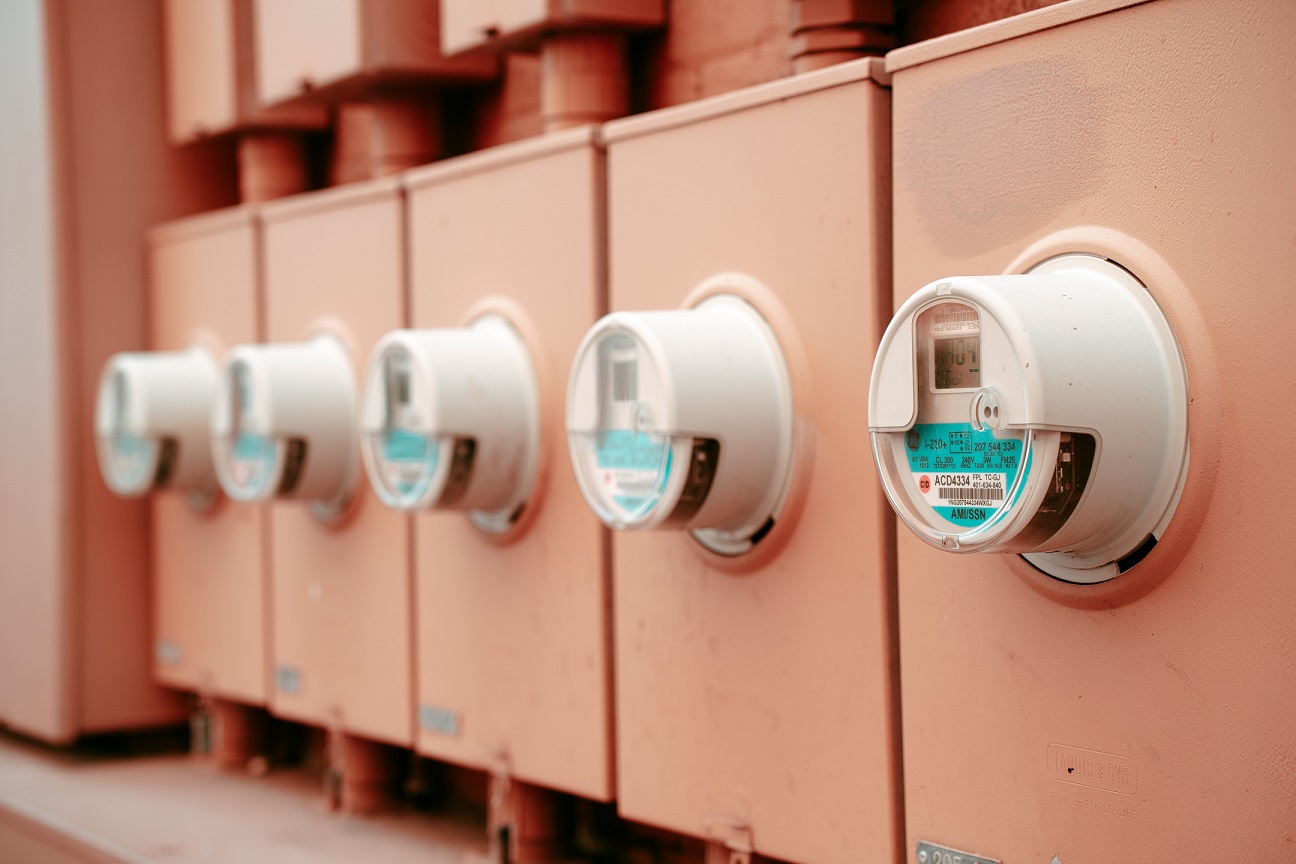
Effective performance analysis relies on accurate and reliable data. Solar energy monitoring systems play a central role in gathering data on energy production, solar radiation, and system operation. Data loggers collect and store this information from various sensors and meters throughout the solar energy system.
Monitoring systems can be as simple as local data displays on-site or as advanced as cloud-based platforms accessible from anywhere with an internet connection. Web-based and cloud-based monitoring systems allow users to view real-time data, analyze historical performance, and receive alerts for system issues.
- Data Analytics and Visualization:
Data analytics and visualization tools are essential for making sense of the vast amounts of data collected by monitoring systems. Advanced analytics software can analyze trends, patterns, and anomalies in energy production data, helping identify potential performance issues or degradation.
Visualization tools provide graphical representations of performance metrics, allowing users to interpret data intuitively. Performance dashboards and reports offer a comprehensive overview of the system’s health and performance, facilitating data-driven decision-making.
- Performance Monitoring of Individual Components:
In addition to monitoring the overall system performance, it is equally important to track the performance of individual components, such as solar panels, inverters, and batteries (in hybrid systems). This level of granularity enables stakeholders to pinpoint specific issues and focus on optimizing the efficiency of each component.
For instance, monitoring the performance of each solar panel in a large-scale solar farm can help identify faulty or underperforming panels, allowing for targeted maintenance or replacement.
- Predictive Maintenance and System Optimization:
Performance analysis can be enhanced with predictive maintenance techniques. By analyzing historical data, machine learning algorithms can predict potential component failures or maintenance needs. Predictive maintenance helps schedule maintenance activities proactively, minimizing system downtime and maximizing energy generation.
System optimization is another critical aspect of performance analysis. Based on data insights, stakeholders can make informed decisions about system upgrades, component replacements, or reconfiguration to improve overall performance and efficiency.
- Integration with Energy Storage:
For solar-plus-storage systems, performance analysis becomes more complex. Monitoring and analyzing energy storage systems involve tracking charge and discharge cycles, battery state of charge (SOC), and round-trip efficiency. Understanding the energy flows between the solar panels, batteries, and electrical loads is crucial for optimizing energy storage and utilization.
- Continuous Improvement and Learning:
Performance analysis is an iterative process that involves continuous improvement
and learning. As solar energy systems evolve and new technologies emerge, performance analysis techniques must also adapt. System owners, operators, and installers should continually review and update their monitoring and analysis strategies to stay abreast of the latest advancements and industry best practices.
- Weather and Environmental Factors:
Weather and environmental factors significantly impact solar energy performance. Cloud cover, humidity, temperature, and other meteorological conditions can influence the amount of sunlight received by solar panels and, consequently, energy production.
Performance analysis should account for weather patterns and seasonal variations to provide a comprehensive understanding of the system’s performance over different timeframes. Historical weather data can be incorporated into performance analysis models to evaluate the system’s performance under various weather scenarios.
- Comparative Analysis:
Comparative analysis is a valuable technique for benchmarking solar energy system performance. By comparing the performance of similar solar installations in different locations or under varying conditions, stakeholders can gain insights into best practices, identify regional differences in solar resource availability, and assess the effectiveness of different system designs.
Benchmarking also fosters healthy competition among solar energy system owners and encourages continuous improvement in the industry.
- Integrating Artificial Intelligence (AI) and Machine Learning:
The integration of artificial intelligence (AI) and machine learning (ML) technologies holds great promise for enhancing performance analysis. AI and ML algorithms can analyze large datasets from various sources, identify patterns, and predict system behavior.
For instance, AI algorithms can optimize the operation of solar-plus-storage systems by predicting energy demand patterns and adjusting the battery charging and discharging schedules accordingly. Additionally, ML models can continuously learn from real-time data, making performance analysis more accurate and efficient over time.
- Performance Guarantees and Contracts:
In some solar energy projects, performance guarantees and contracts are established between system owners and solar installers or developers. These agreements typically specify the expected energy yield and performance targets over a defined period.
Performance analysis plays a critical role in validating these guarantees and ensuring that the solar energy system meets the agreed-upon performance levels. If the system fails to meet the targets, the installer or developer may be required to take corrective actions or provide compensation.
Tracking solar energy performance through comprehensive monitoring and analysis is indispensable for the successful operation of solar energy systems. By employing key performance metrics, stakeholders can gain valuable insights into the efficiency, health, and potential improvements of their solar installations.
Performance analysis not only ensures optimal energy generation and system reliability but also drives advancements in solar technology and practices. As solar energy continues to play an increasingly crucial role in the global transition to clean and sustainable energy, the role of performance tracking will only become more significant.
With advancements in monitoring technology, data analytics, and artificial intelligence, the future of solar energy performance analysis holds immense potential. Continuous improvement, innovative approaches, and a data-driven mindset will empower solar energy stakeholders to harness the full potential of solar power, contributing to a greener, more sustainable, and resilient energy future. Through effective performance analysis, solar energy will continue to shine as a prominent solution in the quest for a cleaner and more sustainable world.